Jack Fruit: A Handwritten Font That Adds Joy to Design Projects
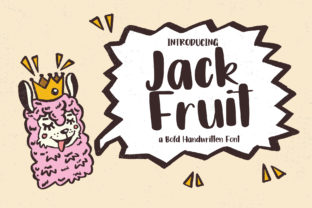
Jack Fruit is a handwritten font that stands out for its playful, friendly, and expressive style. With bold letters and a charming, almost whimsical feel, it brings warmth and personality to any design project. Whether you're creating digital content, branding materials, or personal projects, Jack Fruit can be a great addition when the right tone and mood are needed.
Understanding Jack Fruit’s Role in Design Workflows
When considering the role of typography in design, it's important to recognize how different fonts can influence the overall message and aesthetic. Jack Fruit fits into this spectrum as a unique option that blends creativity with approachability. It's not just another font—it's a tool that can help designers communicate in a more human and relatable way.
For professionals who value both aesthetics and functionality, Jack Fruit offers an opportunity to inject personality into otherwise formal or structured designs. Its boldness makes it suitable for headers, titles, or call-to-action elements where visual impact is key. However, its use should be intentional, as overuse can lead to a cluttered or inconsistent look.
Where Jack Fruit Fits in the Design Process
Jack Fruit can be used at various stages of a design project, depending on the goals and context. Here are some common points of integration:
- Before a Project: When brainstorming or sketching ideas, using Jack Fruit in mockups or wireframes can help visualize how the final design might feel. It adds a sense of playfulness that can inspire further creative direction.
- During a Project: As part of the layout process, Jack Fruit can be applied to headlines, labels, or annotations. It works well with other fonts, especially when paired with clean, modern typefaces for contrast.
- After a Project: For final touches, such as adding a signature, a tagline, or a logo, Jack Fruit can add a personal touch that feels authentic and engaging.
The key is to use Jack Fruit strategically—where it enhances the message rather than distracts from it. This means considering the target audience, the purpose of the design, and the overall brand voice.
How Jack Fruit Interacts with Other Tools and Resources
Jack Fruit isn't an isolated tool; it works best when integrated into a broader design ecosystem. Designers often use tools like Adobe Photoshop, Illustrator, Canva, or Figma to apply fonts. These platforms support custom fonts, making it easy to incorporate Jack Fruit into a wide range of projects.
When working with these tools, it's important to ensure that the font is properly licensed and available in the correct format (e.g., OTF or TTF). Some platforms may require web-safe fonts or offer limited font support, so checking compatibility is essential before starting a project.
Additionally, Jack Fruit can be combined with other design elements such as colors, images, and layouts. For example, pairing it with pastel backgrounds or soft textures can create a cohesive and inviting look. On the other hand, using it against a high-contrast background may reduce readability, so testing is always recommended.
Practical Implementation Tips
To get the most out of Jack Fruit, consider the following practical tips:
- Use It Sparingly: While Jack Fruit is eye-catching, it's best used in moderation. Reserve it for headlines or key text elements to maintain clarity and balance in your design.
- Test Across Devices: Ensure that the font displays correctly on different screens and devices. Some systems may not render custom fonts perfectly, so previewing your work is crucial.
- Pair Thoughtfully: Combine Jack Fruit with complementary fonts to create a visually appealing hierarchy. For instance, pair it with a sans-serif font for body text to maintain readability.
- Consider Branding Needs: If you're using Jack Fruit for branding, make sure it aligns with your brand identity. The font's playful nature may not suit every brand tone, so evaluate whether it matches your goals.
- Optimize for Accessibility: Always check that your design remains accessible. Avoid using Jack Fruit in situations where legibility is critical, such as for long-form text or legal documents.
By following these guidelines, you can ensure that Jack Fruit enhances your design without compromising usability or professionalism.
Integration Into Real-World Workflows
For professionals who manage multiple projects or collaborate with teams, integrating Jack Fruit into daily workflows can streamline the creative process. Whether you're a marketer designing campaign assets, a teacher creating educational materials, or a freelancer building client presentations, the right font can make a significant difference.
One effective way to integrate Jack Fruit is by maintaining a consistent font library. By organizing your preferred fonts, including Jack Fruit, you can quickly access them during the design phase. This saves time and ensures consistency across all your work.
Another consideration is collaboration. When working with clients or team members, it's important to communicate how and why certain fonts are chosen. Explaining the role of Jack Fruit in a design can help others understand its value and encourage thoughtful feedback.
For those who prefer a more hands-on approach, experimenting with Jack Fruit in different contexts can lead to new insights. Try using it in social media posts, email templates, or even print materials to see how it performs in real-world scenarios.
Factors to Consider for Long-Term Use
When evaluating the long-term use of Jack Fruit, several factors should be taken into account:
- Preparation: Before incorporating Jack Fruit into a project, research its licensing terms and availability. Some fonts may have restrictions on commercial use, so understanding these details upfront is important.
- Compatibility: Ensure that the font works well with your chosen design tools and platforms. Testing across different software and operating systems can help avoid unexpected issues.
- Usability: Always prioritize readability and accessibility. Even though Jack Fruit has a fun and friendly style, it should never compromise the clarity of the message being conveyed.
- Organization: Keep track of your font usage and storage. Organizing your font collection can save time and prevent confusion, especially when working on multiple projects simultaneously.
- Consistency: Maintain a consistent font strategy across all your work. Using Jack Fruit in one project doesn't mean it should be used in every project—consider the context and purpose carefully.
- Quality Control: Regularly review your designs to ensure that Jack Fruit is being used effectively. Over time, you may find that it suits certain types of projects better than others.
By keeping these factors in mind, you can make informed decisions about when and how to use Jack Fruit in your workflow.
Conclusion
Jack Fruit is more than just a font—it's a versatile and expressive tool that can enhance the visual appeal of your design projects. Its bold, handwritten style brings a sense of joy and personality to any design, making it ideal for a wide range of applications.
Whether you're working on a creative project, a marketing campaign, or a personal endeavor, Jack Fruit can help you communicate more effectively and engage your audience in a meaningful way. By integrating it thoughtfully into your workflow, you can unlock new possibilities and elevate your design output.