Emalia: A Script Font That Adds Romance and Energy to Design
In the ever-evolving world of design, typography plays a crucial role in shaping the visual identity of a brand or project. One font that has recently captured the attention of designers, marketers, and creatives alike is Emalia. Known for its stunning and romantic script style, Emalia brings a unique blend of elegance and energy that can elevate any design project. Whether you're working on branding, social media content, or print materials, Emalia offers a versatile solution that aligns with current trends and audience expectations.
What Is Emalia?
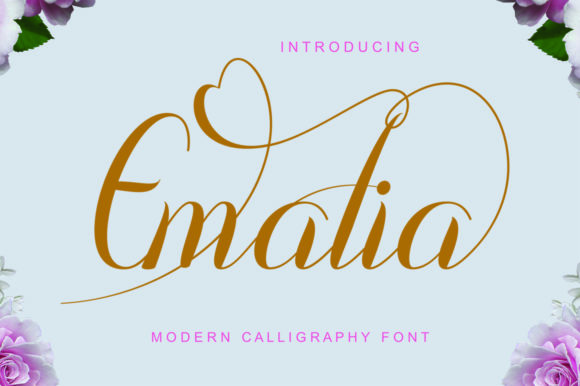
Emalia is a beautifully crafted script font designed to evoke emotion and charm. Its flowing lines and elegant curves make it ideal for creating a sense of romance, sophistication, and warmth. Unlike traditional serif or sans-serif fonts, Emalia's script style adds a personal touch, making it perfect for projects that require a more artistic or expressive approach.
The font features a wide range of characters, including uppercase and lowercase letters, numbers, and special symbols. It also includes ligatures and alternate characters, allowing for greater flexibility in design. These features make Emalia suitable for both digital and print applications, ensuring consistency across different platforms and mediums.
Why Emalia Stands Out in the Design Landscape
As the design industry continues to prioritize aesthetics and emotional engagement, fonts like Emalia have become increasingly relevant. Consumers today are not just looking for functional designs—they want experiences that resonate on an emotional level. This shift has led to a growing demand for fonts that can convey personality, story, and authenticity.
Emalia meets this demand by offering a visually striking alternative to more utilitarian fonts. Its romantic and energetic style appeals to audiences who value creativity and individuality. From wedding invitations to fashion branding, Emalia’s versatility allows it to fit seamlessly into a variety of creative contexts.
How Emalia Aligns with Current Industry Trends
The rise of personalized branding and emotional storytelling has made fonts like Emalia particularly valuable. In an age where brands are competing for attention, the ability to stand out through visual uniqueness is essential. Emalia provides a way to differentiate a brand while maintaining a cohesive and memorable identity.
Additionally, the increasing focus on user experience (UX) design highlights the importance of typography in guiding user interaction. Fonts that are easy to read, visually appealing, and emotionally engaging contribute significantly to the overall UX. Emalia’s elegant yet readable structure makes it an excellent choice for websites, apps, and other interactive platforms.
Another trend influencing the popularity of Emalia is the growth of social media marketing. Platforms like Instagram, Pinterest, and TikTok rely heavily on visual content to capture user attention. The use of stylized fonts such as Emalia can help brands create a more authentic and relatable presence online. This is especially true for lifestyle and fashion brands, which often use script fonts to reflect their aesthetic and values.
Practical Applications of Emalia
Whether you're a designer, marketer, or entrepreneur, Emalia can be a powerful tool in your creative toolkit. Here are some practical examples of how it can be used:
- Wedding Invitations: Emalia’s romantic and elegant style makes it perfect for wedding-related content, adding a touch of sophistication and warmth.
- Fashion Branding: The font’s fluid and stylish appearance aligns well with fashion and beauty industries, helping to create a cohesive brand image.
- Social Media Content: Emalia can enhance the visual appeal of social media posts, stories, and banners, helping brands stand out in a crowded digital space.
- Print Materials: From brochures to packaging, Emalia adds a refined and artistic feel to printed materials, making them more engaging and memorable.
- Website Headers: Using Emalia for headers or call-to-action buttons can create a strong visual impact, drawing users’ attention to key elements of a website.
Changing Needs and Expectations in Design
As the design landscape evolves, so do the needs and expectations of professionals and consumers. Today’s audiences are more informed and discerning, seeking authenticity and emotional resonance in every aspect of their experience. This has led to a shift towards more expressive and personalized design solutions.
Fonts like Emalia cater to this shift by offering a balance between artistry and functionality. They allow designers to communicate more effectively while maintaining readability and accessibility. This is particularly important in a world where content is consumed quickly and attention spans are short.
Moreover, the rise of remote work and digital collaboration has increased the need for fonts that can be easily adapted across various platforms and devices. Emalia’s clean structure and compatibility with most design software make it a reliable choice for teams working on cross-platform projects.
Conclusion
Emalia is more than just a beautiful font—it’s a versatile and expressive tool that aligns with current design trends and audience expectations. Its romantic and energetic style makes it ideal for a wide range of applications, from branding and marketing to social media and print design.
As the design industry continues to prioritize emotional engagement and personalization, fonts like Emalia will play an even greater role in shaping the visual identity of brands and projects. By choosing Emalia, designers and creators can add a touch of elegance, warmth, and uniqueness to their work, helping them stand out in a competitive market.
Whether you’re looking to enhance your brand’s visual appeal or simply explore new creative possibilities, Emalia is a font worth considering. Its combination of beauty, functionality, and adaptability makes it a valuable addition to any designer’s toolkit.