Intensity: A Bold Handwritten Font That Elevates Your Design
If you're looking for a font that stands out, Intensity might be the perfect choice. This handwritten font brings a bold twist to any design project, making it ideal for those who want to add personality and energy without sacrificing readability. Whether you're designing for branding, social media, or print materials, Intensity can transform your visuals into something memorable.
What Is Intensity?
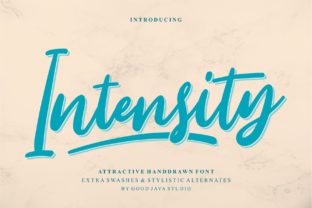
Intensity is more than just a font—it's a statement. It’s a handwritten style with a strong, confident presence that feels both modern and timeless. The font has a dynamic flow, with thick strokes and expressive curves that give it a sense of movement. While it leans on the handwritten aesthetic, its boldness makes it versatile enough for both digital and physical applications.
Unlike many other handwritten fonts that feel soft or whimsical, Intensity carries a sense of authority. It’s not about being cute or playful; it’s about making an impact. This makes it particularly well-suited for designs that need to convey strength, creativity, or uniqueness.
Real-World Applications of Intensity
The beauty of Intensity lies in its adaptability. Here are some real-world scenarios where this font shines:
- Branding Materials: Use Intensity for logos, taglines, or promotional content. Its bold nature helps your brand stand out in a crowded market.
- Social Media Posts: When you want your text to pop on Instagram, Facebook, or Twitter, Intensity adds a creative edge that catches attention.
- Event Invitations: Whether it's a wedding, concert, or art exhibition, Intensity brings a personal touch that feels authentic and engaging.
- Print Design: From posters to flyers, this font works well when paired with high-contrast colors or background textures.
- Product Packaging: For boutique products or artisanal goods, Intensity can help create a unique identity that reflects the brand’s personality.
Each of these situations benefits from the font’s ability to blend creativity with clarity. It’s not just about looking good—it’s about making your message feel more impactful.
Who Benefits Most from Using Intensity?
Intensity appeals to a wide range of users, but it particularly resonates with those in creative fields. Graphic designers, marketers, and content creators often find it useful for adding flair to their work. However, its appeal isn’t limited to professionals—anyone who wants to elevate their visual communication can benefit from using it.
For example, small business owners may use Intensity to create eye-catching signage or marketing materials. Artists and illustrators might incorporate it into their projects to add a unique touch. Even educators could use it to make lesson plans or presentations more engaging.
One thing to consider is the audience. If your target demographic is more formal or professional, Intensity might not be the best fit. But if you’re aiming for a younger, more creative, or artistic audience, it can be a powerful tool.
Practical Examples and Observations
Let’s take a look at how Intensity performs in different contexts:
Creative Portfolio: A designer might use Intensity in their portfolio to showcase their unique style. The font adds a personal touch while maintaining professionalism.
Blog Headers: On blogs or websites, Intensity can be used as a header font to draw readers in. It works especially well when paired with clean, minimalist layouts.
Collateral Materials: Brochures, invitations, and event posters all benefit from the font’s boldness. It helps your message cut through the noise and grab attention.
However, it’s important to note that Intensity isn’t always the best choice. In cases where legibility is crucial—such as in long-form text or technical documents—it may not be the most practical option. Always test the font in different sizes and backgrounds to ensure it remains readable.
Key Considerations Before Using Intensity
Before incorporating Intensity into your design, there are a few things to keep in mind:
- Readability: While Intensity is visually striking, it can be challenging to read in smaller sizes. Make sure to use it appropriately, especially in digital formats.
- Contrast: Pair the font with high-contrast backgrounds or colors to ensure it stands out. Avoid using it on light or busy backgrounds.
- Consistency: Use Intensity consistently throughout your design to maintain a cohesive look. Mixing it with too many other fonts can dilute its impact.
- Use Cases: Think about the purpose of your design. Is it meant to be decorative, informative, or both? Choose the font based on what best serves your goal.
By considering these factors, you can ensure that Intensity enhances your design rather than detracts from it.
Strengths and Limitations of Intensity
Intensity has several strengths that make it a standout font:
- Unique Aesthetic: Its handwritten style gives it a personal, artistic feel that sets it apart from standard fonts.
- Bold and Confident: The font exudes confidence, making it ideal for designs that need to make an impression.
- Versatile: It works across multiple platforms and mediums, from digital to print.
- Engaging: Its dynamic curves and thick strokes make it visually engaging and easy to remember.
However, it also has some limitations:
- Not Ideal for Long Text: Due to its bold and stylized nature, Intensity is better suited for short phrases or headings rather than long paragraphs.
- Requires Careful Pairing: To maintain balance, it should be paired with complementary fonts or design elements.
- May Not Suit All Audiences: Its boldness might not align with the tone of every brand or message.
Despite these limitations, Intensity remains a powerful tool for designers and creatives who want to add a distinctive touch to their work.