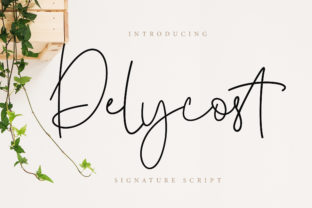
Delycost: A Bold Handwritten Font That Elevates Your Design
When it comes to typography, the right font can make or break a design. Delycost is an authentic and unique handwritten font that brings a bold feel to any project. Whether you're creating branding materials, social media graphics, or print designs, Delycost has the power to turn ordinary visuals into standout pieces. But like any design tool, using Delycost effectively requires more than just downloading it—it needs thoughtful application.
What Is Delycost and Why It Matters
Delycost is not your average font. It’s crafted with a distinct personality, combining the warmth of handwriting with the confidence of a bold statement. The font's irregular strokes and dynamic flow give it a sense of authenticity and character, making it ideal for projects that require a personal touch. From logos to invitations, Delycost adds a layer of visual interest that can help your design stand out in a crowded digital space.
Its versatility makes it appealing to a wide range of users. Designers, marketers, educators, and small business owners all benefit from its ability to convey both professionalism and creativity. However, while Delycost offers great potential, there are common pitfalls that can prevent it from reaching its full impact.
Common Mistakes When Using Delycost
Many users overlook important details when working with Delycost, which can lead to subpar results. One of the most frequent mistakes is using the font without considering its readability. While Delycost has a strong visual presence, it's not always suitable for long blocks of text. For instance, using it for body copy on a website may result in poor legibility, especially at smaller sizes.
Another common error is applying Delycost inconsistently across different platforms. Fonts often behave differently when used on screens versus printed materials. If you use Delycost for a poster but then switch to a default system font for a website, the overall design may appear disjointed and unprofessional.
Some users also fail to check compatibility before downloading or purchasing Delycost. Not all fonts work well with every software or platform. Before committing to a purchase, it's essential to verify that Delycost supports the tools you use regularly, such as Adobe Illustrator, Canva, or even basic word processors.
Mistake #1: Overlooking Readability
Readability is key in any design. Delycost's bold style works best in short phrases or headlines. For example, using it for a product title on a packaging design can be effective, but extending it to a full paragraph might confuse readers. Always test how the font performs in different contexts before finalizing your design.
A better approach is to pair Delycost with a clean, sans-serif font for body text. This combination ensures that your message remains clear while still incorporating the unique character of Delycost. Think of it like pairing a signature with a professional letter—both elements have their place, but they complement each other rather than compete.
Mistake #2: Inconsistent Application Across Platforms
Designs should look consistent across all mediums. Delycost may look great on a high-resolution screen, but it might not render the same way on a mobile device or in print. Always preview your design in multiple formats before publishing.
To avoid this issue, consider exporting your design as a vector file or embedding the font properly if you're using web-based tools. This ensures that your design maintains its integrity regardless of where it's viewed.
Mistake #3: Failing to Check Compatibility
Before investing in Delycost, check whether it supports the software you rely on. Some fonts are only available in specific formats, like OTF or TTF, which may not be compatible with certain programs. Also, ensure that the license allows for commercial use if you plan to sell products featuring Delycost.
Always read the fine print when purchasing a font. Some fonts come with restrictions on usage, such as limited rights for print or digital media. Understanding these terms can save you from costly mistakes down the line.
How to Use Delycost Effectively
Using Delycost effectively means understanding when and how to apply it. Start by identifying the purpose of your design. If you're creating a logo, Delycost can serve as the primary typeface. If you're designing a brochure, use it sparingly for headings or accents.
Pairing Delycost with complementary fonts can enhance your design without overwhelming the viewer. For example, using a modern sans-serif font for body text and Delycost for headers creates a balanced and visually appealing layout.
Don’t forget about spacing and alignment. Delycost’s irregular strokes mean that proper kerning and tracking are essential. Tools like Adobe Illustrator or online font analyzers can help you adjust spacing for optimal readability.
What to Check Before Making a Decision
Before choosing Delycost, ask yourself a few key questions. Does it align with your brand’s voice? Will it be readable in the context where it's used? Are there any licensing restrictions? By evaluating these factors, you can make a more informed decision that benefits both your design and your audience.
Also, consider the cost. While some fonts are free, others require a purchase. Be sure to compare options and choose one that fits your budget and needs. Free fonts can be excellent choices, but they often come with fewer features or limitations compared to premium options.
Finally, don’t hesitate to try out different versions of Delycost. Some fonts offer variations like light, regular, or bold weights. Experimenting with these can help you find the perfect fit for your project.
Delycost is a powerful tool that can elevate your design work. By avoiding common mistakes and using it thoughtfully, you can create visuals that are both impactful and professional. With the right approach, Delycost can become a valuable asset in your creative toolkit.