Lodeh: A Timeless Blackletter Font with Gothic Charm
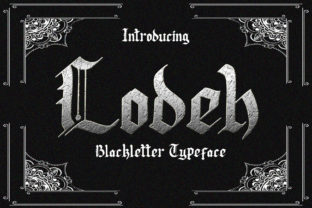
Lodeh is a striking blackletter font that captures the essence of the Gothic script, offering a vintage aesthetic that feels both historic and modern. Its design is rooted in traditional calligraphy, yet it has been refined to suit contemporary digital use. Whether you're designing for print, web, or branding, Lodeh provides a unique visual identity that can elevate your project's style.
What Makes Lodeh Stand Out?
Lodeh is more than just a font—it's a design statement. The font features intricate letterforms that echo the ornate details of medieval manuscripts. Each character is crafted with precision, giving it a handcrafted feel that stands out in a world dominated by minimalist and sans-serif fonts.
The gothic feel of Lodeh is one of its most defining characteristics. This style, which originated in the 12th century, was used in religious texts and illuminated manuscripts. Today, it's often associated with elegance, mystery, and sophistication. Lodeh channels this legacy while making it accessible for modern applications.
One of the key strengths of Lodeh is its vintage appeal. It evokes a sense of history and authenticity, making it ideal for projects that aim to convey tradition, heritage, or a nostalgic vibe. This quality makes it particularly popular in creative industries such as graphic design, publishing, and branding.
Why Would Someone Be Interested in Lodeh?
There are several reasons why designers and creators might choose Lodeh. First, it offers a distinct visual identity that can help a brand or project stand out. In a market saturated with similar fonts, Lodeh’s unique design can make a strong impression.
Second, Lodeh is well-suited for nostalgic or thematic designs. Whether it's a wedding invitation, a book cover, or a logo, the font adds an air of sophistication and timelessness. It can also be used to evoke a specific era or mood, such as the Renaissance or the Middle Ages.
Additionally, Lodeh is versatile in its application. While it may not be the best choice for body text due to its ornate nature, it works exceptionally well for headlines, titles, and accents. This versatility allows designers to use it creatively without compromising readability in key areas.
Benefits and Considerations
One of the primary benefits of using Lodeh is its visual impact. The font's intricate details and bold strokes create a strong visual presence, making it ideal for attention-grabbing designs. It also adds a layer of personality and character to any project.
However, there are some considerations to keep in mind. Because of its complex design, Lodeh may not be the most readable font for long blocks of text. It’s best used in moderation, typically for headings, logos, or decorative elements rather than for large amounts of body content.
Another consideration is compatibility. While Lodeh is available in various formats (such as OTF and TTF), it may not render consistently across all platforms or devices. Designers should test the font in different environments to ensure it looks as intended.
Finally, Lodeh is not always the best fit for every project. Its gothic style and vintage feel may not align with the goals of a modern, clean, or minimalistic design. In such cases, alternative fonts like Baskerville, Courier New, or Playfair Display could offer a more suitable aesthetic.
When Is Lodeh a Strong Fit?
Lodeh shines in situations where style and tradition are important. For example:
- Wedding Invitations: The elegant and romantic feel of Lodeh makes it perfect for formal or vintage-themed invitations.
- Book Covers: It adds a touch of sophistication and historical depth to literary or historical fiction covers.
- Branding: Companies looking to convey a sense of heritage, craftsmanship, or exclusivity may find Lodeh to be a compelling choice.
- Art Projects: Artists and designers who want to incorporate a classic, handcrafted look into their work will appreciate Lodeh’s unique character.
In these contexts, Lodeh’s distinctive style enhances the overall design, helping to communicate a message or emotion more effectively.
When Might Alternatives Be Better?
While Lodeh has many strengths, it may not be the best option in all scenarios. Consider alternatives if:
- Readability is a priority: Fonts like Arial, Helvetica, or Times New Roman are more legible for extended text.
- A modern or clean look is desired: Sans-serif fonts like Roboto or Open Sans provide a fresh, contemporary aesthetic.
- International language support is needed: Some blackletter fonts may have limited character sets, so ensure the font supports the languages you need.
- Consistency across platforms is crucial: Test the font on different devices and browsers to avoid rendering issues.
By evaluating these factors, designers can make informed decisions about whether Lodeh is the right choice for their project or if another font would better serve their needs.
Final Thoughts on Choosing Lodeh
Choosing the right font is a critical part of any design project. Lodeh offers a unique blend of history, elegance, and visual impact that can elevate a design in the right context. However, it requires thoughtful application to ensure it complements the overall design rather than overwhelms it.
If you’re looking for a font that adds character, sophistication, and a touch of vintage charm, Lodeh is worth considering. But always evaluate your project’s goals and audience to determine whether its distinctive style aligns with your vision. With the right approach, Lodeh can become a powerful tool in your design arsenal.