Oldwin: A Classic Font Duo with Timeless Charm
In a world where digital communication is increasingly fast-paced and visually driven, typography plays a crucial role in how messages are perceived. Among the many fonts available, Oldwin stands out as a classic duo that combines elegance with approachability. This font pair—comprising Oldwin Regular and Oldwin Italic—offers a unique aesthetic that can elevate both print and digital content. Whether you're designing a website, creating branding materials, or crafting a newsletter, understanding how to use Oldwin effectively can make all the difference.
What Is Oldwin?
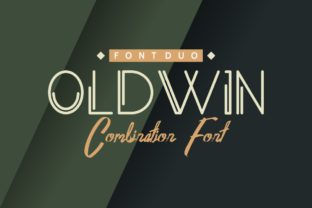
Oldwin is a serif typeface designed with a vintage charm that evokes the look of old-world typography. Its design features subtle curves, balanced spacing, and a refined structure that gives it a sophisticated yet friendly appearance. The duo includes two variations: the regular weight for body text and the italic version for emphasis or decorative purposes. Together, they create a cohesive visual language that feels both professional and personal.
Oldwin was crafted with a focus on readability and versatility, making it suitable for a wide range of applications. Its clean lines and moderate stroke contrast allow it to work well in both large and small sizes, ensuring legibility across different platforms and screen sizes.
Challenges in Typography
When selecting a font for any project, designers often face several challenges. One common issue is choosing a font that is both aesthetically pleasing and functional. Many modern fonts prioritize style over readability, which can lead to poor user experience. Additionally, finding a font that maintains its integrity across different mediums—such as print, web, and mobile—is another significant hurdle.
Another challenge is consistency. Using multiple fonts without careful consideration can result in a cluttered or disjointed design. Maintaining a visual hierarchy through font choices is essential for guiding the reader’s eye and improving comprehension.
How Oldwin Helps Address These Challenges
Oldwin offers a solution to these common design challenges by providing a versatile and reliable option. Its classic design ensures that it remains readable even at smaller sizes, making it ideal for body text in websites, brochures, and presentations. The balance between style and function means that Oldwin doesn't compromise on aesthetics while maintaining clarity.
The inclusion of both regular and italic weights allows for greater flexibility in design. For instance, the italic version can be used for headings, pull quotes, or emphasis without disrupting the overall typographic harmony. This dual-weight system helps maintain a consistent visual identity throughout a design project.
Furthermore, Oldwin is built with cross-platform compatibility in mind. It works seamlessly across different operating systems and browsers, ensuring that your design looks great whether viewed on a desktop, tablet, or smartphone. This makes it an excellent choice for responsive web design and multi-channel marketing campaigns.
Practical Applications of Oldwin
The beauty of Oldwin lies in its adaptability. Here are some practical ways to incorporate it into your design projects:
- Branding Materials: Use Oldwin for logos, letterheads, and packaging to create a timeless and elegant brand identity.
- Website Design: Apply Oldwin to headlines, subheadings, and body text to enhance readability and visual appeal.
- Print Publications: Incorporate Oldwin into magazines, newsletters, and brochures for a refined and professional look.
- Presentations: Utilize Oldwin in slides to add a touch of sophistication to your content.
When using Oldwin, it's important to consider contrast and pairing. Pairing it with a sans-serif font like Arial or Helvetica can create a balanced and modern look. Avoid using too many fonts at once to maintain a clean and focused design.
Considerations for Different Users
Whether you're a designer, a small business owner, or a content creator, Oldwin can be tailored to meet your specific needs. For designers, it offers a versatile tool that enhances both aesthetics and functionality. Small business owners can use it to create a strong brand presence that resonates with their audience. Content creators may find it useful for formatting articles, blog posts, or social media content to improve readability and engagement.
For those who prefer a more hands-on approach, experimenting with Oldwin in different contexts can help you discover new ways to use it. Try applying it to different sections of a webpage or using it in combination with other fonts to see how it affects the overall design.
Ultimately, the key to successfully using Oldwin is understanding its strengths and limitations. By leveraging its classic charm and functional design, you can create content that is both visually appealing and easy to read.