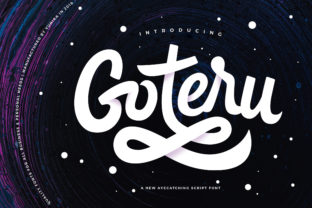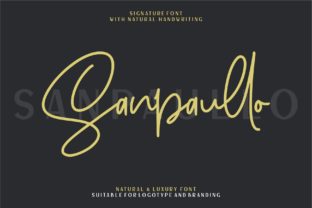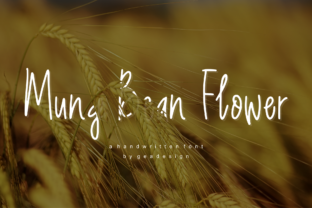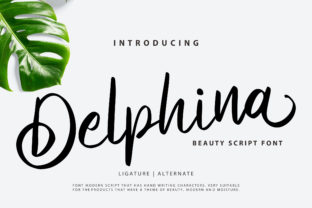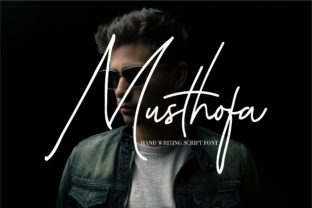
Musthofa: A Bold and Cool Handwritten Font with a Unique Feel
When it comes to typography, the right font can elevate a design from ordinary to extraordinary. Musthofa is one such font that stands out for its bold and cool handwritten style, offering a unique aesthetic that can add a stunning twist to any project. Whether you're designing a logo, creating a poster, or building a website, Musthofa provides a versatile option that blends creativity with functionality.
What Makes Musthofa Stand Out?
Musthofa is not just another handwritten font—it's a carefully crafted typeface that combines artistic flair with readability. Its bold strokes and clean lines give it a modern yet nostalgic feel, making it suitable for both digital and print media. The font’s distinct character shapes and consistent spacing ensure that it remains legible even in larger sizes, which is a common challenge with many handwritten styles.
One of the key features of Musthofa is its versatility. It works well in a variety of contexts, from casual branding to professional presentations. The font’s unique personality allows designers to convey a sense of individuality while maintaining clarity and professionalism. This balance between creativity and practicality is what makes Musthofa a compelling choice for many designers.
Comparing Musthofa with Similar Options
While there are several handwritten fonts available, Musthofa distinguishes itself through its boldness and cool aesthetic. Fonts like Cursive or Script MT Bold may offer similar artistic qualities, but they often lack the same level of consistency and modern appeal that Musthofa brings to the table.
For instance, when compared to more traditional script fonts, Musthofa offers a cleaner, more structured look. This makes it particularly effective for use in logos or brand identities where a strong visual impact is desired without sacrificing readability. In contrast, some other handwritten fonts might be too ornate or inconsistent, which can make them less suitable for certain applications.
Additionally, Musthofa’s design is optimized for both screen and print, ensuring that it performs well across different mediums. This is an important consideration for designers who need their work to maintain quality regardless of the platform it's displayed on.
Strengths and Limitations of Musthofa
Like any font, Musthofa has its strengths and limitations. One of its greatest strengths is its ability to convey a sense of personality and style. The font’s bold strokes and unique letterforms make it ideal for projects that require a strong visual statement. It also offers good typographic flexibility, allowing designers to experiment with different weights and styles to suit their needs.
However, there are situations where Musthofa may not be the best choice. For example, in contexts where a more formal or traditional appearance is required, a serif or sans-serif font might be more appropriate. Additionally, because it is a handwritten font, it may not be as suitable for long-form text or technical documents where readability is paramount.
Another limitation to consider is the font’s availability. While Musthofa is widely used and supported by most design platforms, it may not be included in all default font libraries. Designers may need to download or purchase the font separately, depending on the specific software or service they are using.
Best-Fit Situations for Using Musthofa
Musthofa is particularly well-suited for projects that benefit from a bold and creative visual identity. This includes things like:
- Logo design: The font’s distinctive style can help create a memorable brand identity.
- Posters and flyers: Its eye-catching appearance makes it perfect for promotional materials.
- Web design: When used in moderation, Musthofa can add a stylish touch to websites without overwhelming the user experience.
- Artistic projects: Whether it's for a gallery display or a personal portfolio, Musthofa adds a unique flair.
In these scenarios, Musthofa’s boldness and uniqueness can help a design stand out while still maintaining a level of professionalism and readability.
Alternatives to Consider
If Musthofa isn’t the right fit for your project, there are several alternatives that may be worth exploring. These include:
- Bauhaus 93: A geometric sans-serif font that offers a modern and minimalist look.
- Playfair Display: A serif font that exudes elegance and sophistication.
- Roboto: A clean, versatile sans-serif font that works well in both digital and print formats.
- Comic Sans MS: A playful and informal font that is often used for casual or child-oriented designs.
Each of these fonts has its own strengths and weaknesses, so the best choice will depend on the specific needs of your project. For example, if you’re looking for a more traditional or classic look, a serif font like Playfair Display might be a better option. On the other hand, if you want something modern and clean, Roboto could be a great alternative.
Making an Informed Decision
Choosing the right font is an important part of the design process, and Musthofa is a strong contender for those seeking a bold and unique handwritten style. However, it’s essential to evaluate your project’s requirements and consider how the font fits into the overall design strategy.
Consider factors such as the purpose of the design, the target audience, and the medium in which the font will be used. If your goal is to make a strong visual statement, Musthofa could be the perfect choice. But if you need a more neutral or professional look, you may want to explore other options.
Ultimately, the decision should be based on what best serves your creative vision and the needs of your audience. By understanding the strengths and limitations of Musthofa and considering alternatives, you can make a more informed choice that aligns with your goals.