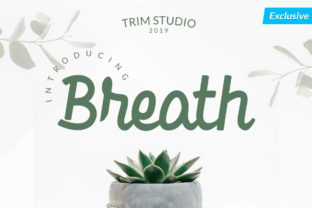
Exploring the Versatility of Breath: A Handwritten Font with a Casual Touch
The world of typography is vast and ever-evolving, offering designers a wide range of fonts to suit different purposes and aesthetics. Among the many options available, Breath stands out as a unique and versatile handwritten font that brings an effortless, casual vibe to any design project. Whether you're creating a website, a social media post, or a print layout, Breath can add a personal touch that feels both modern and approachable.
What Makes Breath Stand Out?
Breath is more than just another handwritten font—it's a carefully crafted typeface designed with simplicity and readability in mind. Its flowing lines and natural curves give it a hand-drawn feel, making it ideal for projects that require a friendly and informal tone. Unlike some other handwritten fonts that can be difficult to read at a glance, Breath maintains clarity even when used in larger text sizes or across multiple lines.
One of the key characteristics of Breath is its light weight. This makes it particularly well-suited for digital use, where performance and load times are important factors. The font's minimalistic design also means it doesn't take up too much space on the page, allowing for greater flexibility in layout design.
When to Use Breath
The versatility of Breath makes it suitable for a wide range of applications. Here are a few common use cases where this font shines:
- Branding and Logo Design: Breath can be used to create a brand identity that feels personal and authentic. It works especially well for creative industries such as fashion, art, and lifestyle brands.
- Social Media Content: With its casual and approachable style, Breath is perfect for Instagram captions, Twitter posts, or Facebook updates. It adds a human touch to digital content without being overly formal.
- User Interface (UI) Design: In web and app design, Breath can be used for buttons, labels, and call-to-action elements. Its light and clean appearance ensures it remains legible even in smaller text sizes.
- Print Materials: From invitations to greeting cards, Breath brings a warm and welcoming feel to printed materials. It's especially effective in designs that aim to evoke emotion or tell a story.
- Artistic Projects: For illustrators, graphic designers, and artists, Breath offers a unique visual language that can enhance the storytelling aspect of their work.
By choosing Breath, designers can create a cohesive visual language that aligns with the tone and purpose of their project. Whether it's for a professional website or a personal blog, this font helps to bridge the gap between digital and physical design while maintaining a consistent aesthetic.
Designing with Breath: Tips and Best Practices
While Breath is a great choice for many design scenarios, it's important to understand how to use it effectively. Here are some tips to help you make the most of this font:
- Pair with Complementary Fonts: To ensure readability and visual balance, consider pairing Breath with a sans-serif or serif font for headings and body text. This contrast helps to highlight the personality of Breath while maintaining professionalism.
- Use in Moderation: Although Breath has a charming and casual feel, it's best used sparingly. Overusing it can lead to a cluttered design that may confuse readers or dilute the message.
- Consider Context and Audience: The tone of your project should guide your font selection. Breath is ideal for younger audiences or more relaxed environments, but may not be appropriate for formal or corporate settings.
- Test Across Devices: Always test your design on different screens and devices to ensure that Breath looks good and remains legible in various contexts. This is especially important for mobile users who may view your content on smaller screens.
- Explore Customization Options: Some versions of Breath offer additional weights or styles, which can provide more flexibility in your design choices. Be sure to explore these options to find the best fit for your project.
By following these best practices, you can ensure that Breath enhances your design rather than detracts from it. It's a font that invites creativity and encourages experimentation, making it a valuable addition to any designer's toolkit.
Comparing Breath with Other Handwritten Fonts
While there are many handwritten fonts available, Breath distinguishes itself through its simplicity and adaptability. Compared to more ornate or stylized handwritten fonts, Breath offers a more streamlined and modern look. This makes it particularly well-suited for digital platforms where clarity and speed are essential.
For example, fonts like Great Vibes or Great Feather have a more dramatic and decorative feel, often used in artistic or vintage-themed designs. In contrast, Breath is more about ease and approachability. It’s less about showing off and more about communicating clearly and efficiently.
Another advantage of Breath is its scalability. While some handwritten fonts can become difficult to read at smaller sizes, Breath maintains its legibility even when used in tight spaces. This makes it a great choice for things like email signatures, social media bios, or short-form content.
Ultimately, the choice of font depends on the specific needs of your project. Breath is not meant to replace other fonts, but rather to offer a unique option that can complement your design in a meaningful way.
Conclusion
In today's fast-paced digital landscape, typography plays a crucial role in shaping user experience and brand identity. Breath is a font that embodies the principles of simplicity, clarity, and approachability. Its light and effortless design makes it a versatile tool for designers looking to add a personal touch to their work.
Whether you're creating a website, designing a logo, or crafting a social media post, Breath offers a fresh and modern alternative to traditional fonts. By understanding its strengths and limitations, you can make informed decisions about when and how to use it effectively.
As with any design element, the key to success lies in knowing your audience and choosing the right tools to communicate your message. Breath is one such tool that can help you achieve that goal with style, substance, and a touch of personality.